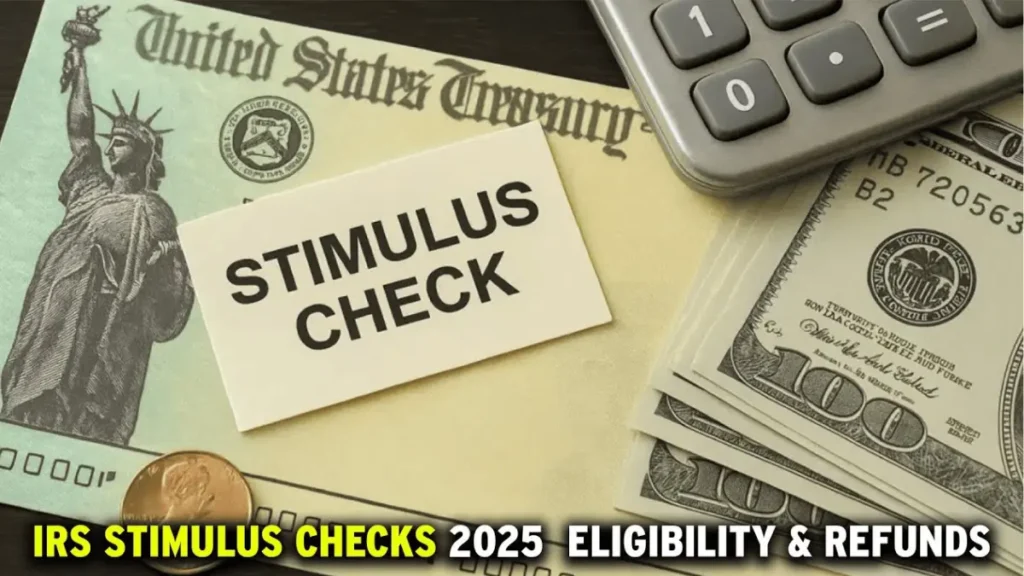
Rumors about a new $2,000 Trump IRS stimulus check have exploded online this month, leaving millions of Americans wondering if money is actually coming. As someone who has worked in digital news and SEO for years, I know how confusing these viral posts can get—especially when people are hoping for real financial relief.
So let’s break it down in simple, everyday English so you clearly understand what’s true, what’s not, and how to protect yourself from scammers pretending to be the IRS.
No, the IRS Has NOT Approved a New IRS Stimulus Check in November 2025
The IRS has officially confirmed that no new federal stimulus payments or automatic direct deposits have been approved for this month.
There is no authorized IRS stimulus check going out right now.
A fact-check from KTVU also made it very clear:
“No new federal stimulus checks are authorized… Congress has not passed new legislation, and the IRS has made no confirmation.”
So if you’ve heard people talking about surprise deposits or “November stimulus relief,” that information is not accurate.
Where Did the Confusion Come From?
Two major things caused all this noise online:
1. Trump’s “Tariff Dividend” Idea
There’s been a viral push on social media discussing a proposal from former President Donald Trump.
In one of his posts, he mentioned:
“A dividend of at least $2,000 a person will be paid to everyone…”
This refers to a theoretical plan where tariff revenue could be used to send Americans money.
Important:
👉 This is not a real IRS program.
👉 Congress has not approved it.
👉 No payment date or process exists.
Right now, it’s just a suggestion, not a signed policy.
2. Fake Emails, Scam Alerts & Old COVID Stimulus Memories
Many Americans still remember the IRS stimulus checks from the COVID era—so when a viral post appears, people assume it may be real.
Scammers know this.
KTVU warns that many so-called “stimulus alerts” are actually phishing attempts. These scam messages often:
- Ask for bank details
- Request Social Security numbers
- Claim you need to “confirm your account”
- Push you to click a suspicious link
The IRS never sends texts, emails, DMs, or calls asking for personal information.
If you get one of those messages, treat it as a scam immediately.
How to Protect Yourself From “IRS Stimulus Check” Scams
As an SEO expert and someone who checks IRS news regularly, here’s the simplest way to stay safe:
✅ 1. Only trust official sources
Stick to:
- IRS.gov
- Treasury.gov
If it’s not announced there, it isn’t real.
✅ 2. Don’t click urgent “claim your payment” links
The government never forces you to rush.
Any message that sounds like:
“Claim your stimulus in 24 hours!”
is fake.
✅ 3. Keep your tax information updated
If a real program launches in the future:
- Your tax filings
- Your direct deposit info
- Your mailing address
should all be accurate.
This makes sure you won’t miss any legitimate payment.
✅ 4. Ignore emails asking for personal details
IRS agents do not contact people through:
- Gmail
- Text messages
If someone does, they are not from the IRS.
So, Will There Be a $2,000 IRS Stimulus Check Soon?
Right now: No. Nothing has been approved.
Could something happen later?
Possibly. Ideas like the tariff dividend may come up again depending on future policy discussions. But until Congress approves it and the IRS announces it, there are no payments scheduled.
Final Thoughts: Stay Alert, Stay Safe, Stay Updated
With so many fake posts and scam messages online, it’s easy to feel confused. If you were hoping for financial help, you’re definitely not alone—millions are searching for “IRS stimulus check updates” every day.
For now, the best thing you can do is:
- Stay informed through official sources
- Keep your tax info up to date
- Ignore scam messages asking for personal details
If a real stimulus program is announced later, you’ll hear it from the IRS—not from a random social media post.

Ammar is a health supplement researcher and experienced review writer with over five years of hands-on experience studying dietary supplements, ingredients, and real user outcomes. He specializes in breaking down complex health topics into simple, honest, and easy-to-understand reviews that help readers make informed decisions.
Over the past five years, Ammar has researched and reviewed dozens of health and wellness supplements, focusing on ingredient transparency, scientific evidence, safety, and realistic expectations. His content is built on careful research, real-world insights, and a commitment to accuracy—always prioritizing reader trust over hype.
Ammar’s goal is to help everyday people understand what supplements can and can’t do, so they can choose products confidently and responsibly.