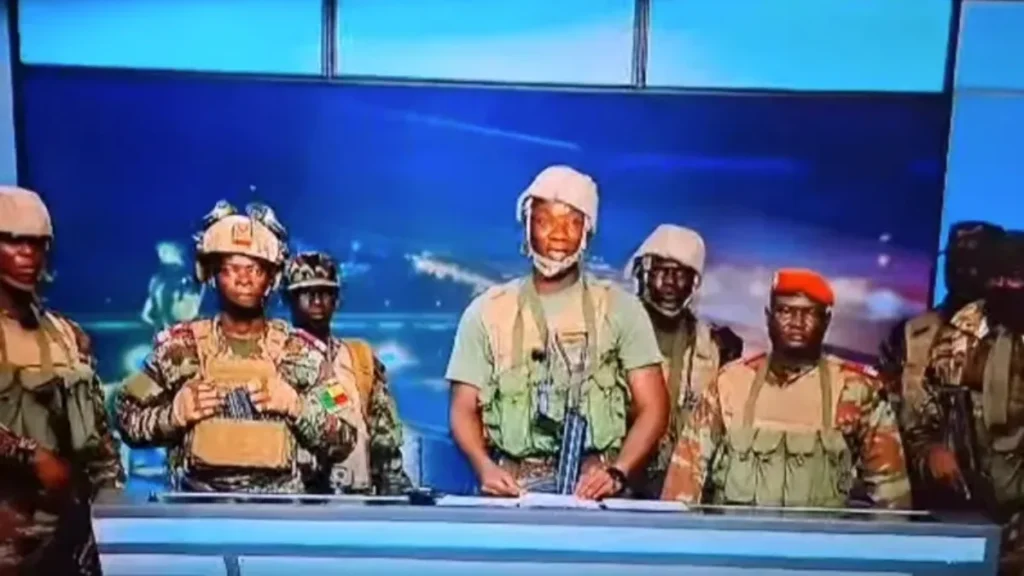
If you’ve been keeping an eye on West African news, you’ve probably heard about the tense events in Benin this week. Early on Sunday morning, a small group of soldiers tried to overthrow President Patrice Talon, sparking fear and confusion in the capital, Cotonou.
Gunshots were reported near the president’s residence, journalists were briefly held, and social media exploded with eyewitness updates. Luckily, loyalist troops acted fast, and the coup attempt was stopped before it could escalate. But for many, this incident has raised serious questions about political stability in a country often regarded as one of Africa’s more peaceful democracies.
What Happened During the Benin Coup Attempt?
The attempted coup in Benin was led by Lt-Col Pascal Tigri and a small group of soldiers. They went on air claiming that they had ousted President Talon and suspended the constitution. Social media and local witnesses reported gunfire near the presidential palace in Cotonou. State journalists were temporarily held hostage, and helicopters were spotted flying over the city as the military tried to regain control.
Benin’s Interior Minister Alassane Seidou later reassured the nation, saying:
“The Beninese armed forces remained committed to the republic. Their response allowed them to retain control and foil the attempt.”
He also urged citizens to go about their daily activities as normal, signaling that the situation was under control.
Why Benin’s Coup Attempt Matters
Benin has long been considered a stable democracy in West Africa. Compared to some neighboring countries, it has had peaceful transitions of power and a relatively low level of political unrest. So, when an attempted coup occurs here, it sends shockwaves across the region.
Here’s why it matters:
- Political Stability: Benin’s democratic model has been a beacon in West Africa. A coup could weaken trust in public institutions.
- Regional Security: West Africa has seen several coups in recent years, including in Burkina Faso, Mali, Niger, and Guinea-Bissau. These events increase fears of instability spreading.
- Economic Concerns: Benin is a major cotton producer. Political turmoil can affect agriculture, trade, and investment.
President Patrice Talon: Who He Is
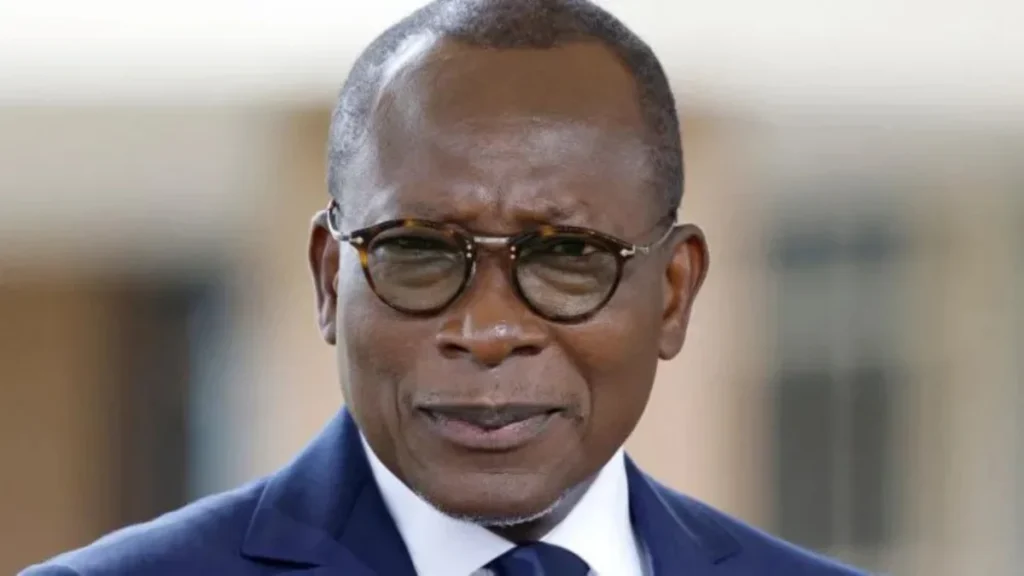
President Patrice Talon, often called the “king of cotton,” is a businessman turned politician. First elected in 2016, Talon has overseen significant economic reforms in Benin. He is praised by supporters for development projects but has also faced criticism for limiting political dissent.
Talon is set to step down next year after completing his second term, with Finance Minister Romuald Wadagni endorsed as his successor. The timing of this coup attempt, just months before the election, adds an extra layer of tension.
What the Soldiers Said
The group leading the coup justified their actions by criticizing President Talon’s government. According to their statement:
“The army solemnly commits to give the Beninese people the hope of a truly new era, where fraternity, justice, and work prevail.”
While their intentions were framed as reformist, any unconstitutional attempt to seize power poses serious risks to the country’s stability.
How Citizens Experienced the Day
Imagine being in Cotonou on Sunday morning. People reported hearing gunshots and seeing roads blocked by heavy military presence. Helicopters hovered overhead, and fear was in the air. Some businesses temporarily closed, and families stayed indoors until the situation calmed.
These real-life experiences highlight how quickly political events can affect everyday life, even in a country considered stable.
International Reactions
The coup attempt in Benin caught global attention. Several embassies issued safety advice:
- French and Russian embassies: Stay indoors.
- US embassy: Avoid Cotonou, especially the presidential area.
Regional organizations like ECOWAS and the African Union (AU) condemned the coup attempt. The AU emphasized a “zero tolerance stance toward any unconstitutional change of government.”
Pro-Russian social media accounts were among the few praising the coup, showing how global powers monitor West African politics closely.
The Bigger Picture: Coups in West Africa
Benin’s situation is part of a worrying trend. In recent years, West Africa has seen multiple coups, with countries like:
- Burkina Faso
- Guinea
- Mali
- Niger
These events have sparked fears that democratic institutions in the region are under threat. Benin’s successful foiling of the coup is a positive sign, but it also reminds citizens and leaders that vigilance is essential.
Security Concerns and Jihadist Activity
Another layer of complexity comes from rising security threats in the region. Benin has faced increasing activity from groups linked to Islamic State and al-Qaeda, particularly in southern areas. While the country hasn’t seen the same level of violence as some neighbors, the attempted coup shows that internal threats can come from unexpected sources.
What This Means for Benin’s Future
For the people of Benin, this was a wake-up call. It shows that political stability is fragile and that the country’s democratic institutions need constant protection. Moving forward, the government faces the challenge of:
- Strengthening trust in public institutions
- Ensuring fair elections in 2026
- Keeping security forces loyal and prepared
For citizens, staying informed and engaged in the democratic process is more important than ever.
Key Takeaways
Here’s a quick summary of what you need to know about the Benin coup attempt:
- A small group of soldiers attempted to overthrow President Patrice Talon.
- Loyalist troops stopped the coup, and the president remained safe.
- Cotonou experienced temporary lockdowns, gunfire, and helicopter activity.
- The international community condemned the attempt and issued safety warnings.
- Benin, usually seen as a stable democracy, now faces questions about future political stability.
- Regional coups in West Africa show a worrying trend for democracy.
Final Thoughts
Benin’s foiled coup is a reminder that even seemingly stable nations can face sudden political crises. While the country managed to avoid a disaster this time, it underscores the importance of strong institutions, active citizen engagement, and regional cooperation.
For anyone following West African politics, Benin’s experience is both a cautionary tale and a story of resilience. As the country moves toward next year’s elections, all eyes will remain on how it preserves its democracy while navigating internal and external challenges.
If you’re interested in keeping up with Benin and West African news, staying informed through reliable sources is key. Every citizen’s awareness and participation can help protect democracy in the region.

Ammar is a health supplement researcher and experienced review writer with over five years of hands-on experience studying dietary supplements, ingredients, and real user outcomes. He specializes in breaking down complex health topics into simple, honest, and easy-to-understand reviews that help readers make informed decisions.
Over the past five years, Ammar has researched and reviewed dozens of health and wellness supplements, focusing on ingredient transparency, scientific evidence, safety, and realistic expectations. His content is built on careful research, real-world insights, and a commitment to accuracy—always prioritizing reader trust over hype.
Ammar’s goal is to help everyday people understand what supplements can and can’t do, so they can choose products confidently and responsibly.