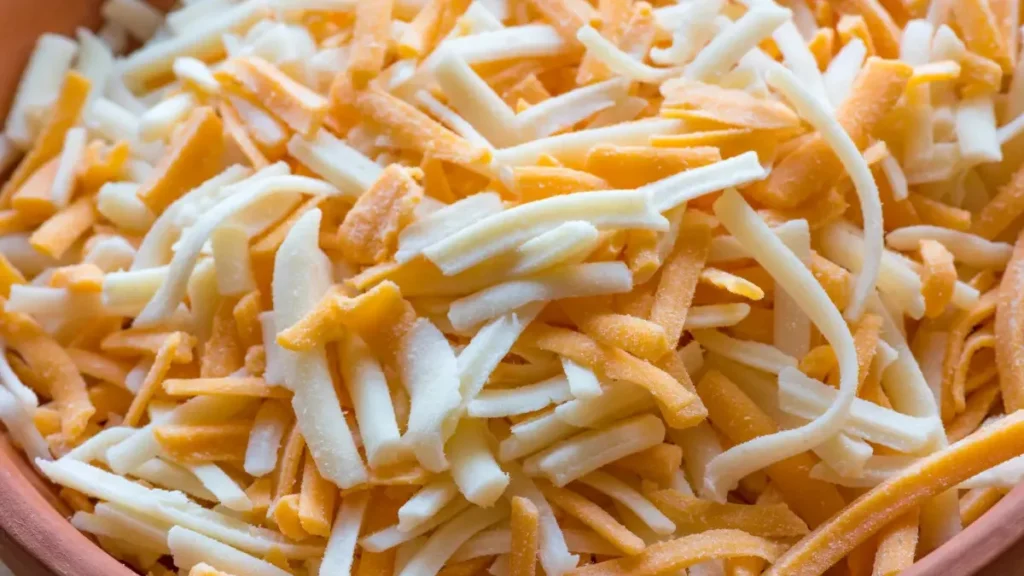
If you’ve bought shredded cheese recently, you might want to take a quick look inside your fridge. A major cheese recall has been announced across the U.S., and more than 1.5 million bags of popular shredded cheese brands have been pulled from store shelves.
As someone who works in news writing and SEO every day, I’m always surprised by how often food recalls happen. But this one is big—so let’s break it down in simple English so you know exactly what to do.
Why This Cheese Recall Happened
According to the FDA, Great Lakes Cheese Co. voluntarily recalled over 260,000 cases of shredded cheese because the products may contain small metal fragments.
The recall started in early October, but it was recently moved to a Class II recall, which means the product could cause temporary or reversible health issues if eaten.
The company said one of its suppliers warned them about “foreign material” in a batch of mozzarella. As soon as they found out, they pulled the products, isolated the batches, and told retailers to remove everything from store shelves.
What Cheese Brands Are Included?
Here’s the part most people want to know: Is my cheese safe?
The FDA listed several well-known brands affected by the cheese recall, including:
- Borden
- Good & Gather (Target)
- Great Value (Walmart)
- Happy Farms (Aldi)
- Publix
- Food Lion
- Lucerne Dairy Farms
- Cache Valley Creamery
- Schnucks
- Sprouts Farmers Market
- Brookshire’s
- Stater Bros. Markets
- Always Save
- Econo
And many more store-brand labels.
The recalled items include different types of shredded cheese such as:
- Low-moisture part-skim mozzarella
- Mozzarella + mild cheddar blends
- Italian-style shredded blends
- Pizza-style four-cheese mix
- Mozzarella + provolone blends
Most packages have sell-by dates from January to late March of next year.
Where These Products Were Sold
These cheeses were sold nationwide at major retailers like:
- Target
- Walmart
- Aldi
- Publix
- Sprouts
The recalled products were distributed in 31 states, including California, Arizona, Texas, Florida, New York, Tennessee, Wisconsin, and many more—plus Puerto Rico.
So even if you live far from where the cheese was produced, it could still be in your fridge.
What You Should Do Right Now
If you think you may have bought any items from this cheese recall:
1. Check the brand and sell-by date
If it matches the affected list, stop using it immediately.
2. Return or throw it away
The FDA recommends returning the product for a refund or simply discarding it.
3. Clean your fridge
If the cheese touched shelves, drawers, or counters, give those areas a good clean.
Warm water + soap works well. Then wash your hands afterward.
Final Thoughts
Food recalls can feel scary, but knowing what to do makes everything easier. This cheese recall is big, but the company acted fast, and retailers have already removed most items from shelves.
Just take a minute to check your fridge—you might save yourself (or your family) from a risky product.
If you want updates on major food recalls and consumer safety news, stick around. I’m always here to break things down in simple, real-life language.

Ammar is a health supplement researcher and experienced review writer with over five years of hands-on experience studying dietary supplements, ingredients, and real user outcomes. He specializes in breaking down complex health topics into simple, honest, and easy-to-understand reviews that help readers make informed decisions.
Over the past five years, Ammar has researched and reviewed dozens of health and wellness supplements, focusing on ingredient transparency, scientific evidence, safety, and realistic expectations. His content is built on careful research, real-world insights, and a commitment to accuracy—always prioritizing reader trust over hype.
Ammar’s goal is to help everyday people understand what supplements can and can’t do, so they can choose products confidently and responsibly.